Ductile Iron Pipe is crucial in water distribution systems. Many cities rely on this type of pipe for its strength and durability. Understanding the features of ductile iron pipe can help solve issues like rust and leaks that are common in older piping systems. The construction and installation of these pipes reduce maintenance costs and increase their lifespan compared to traditional materials. Have you ever wondered how ductile iron pipes maintain their integrity under pressure?
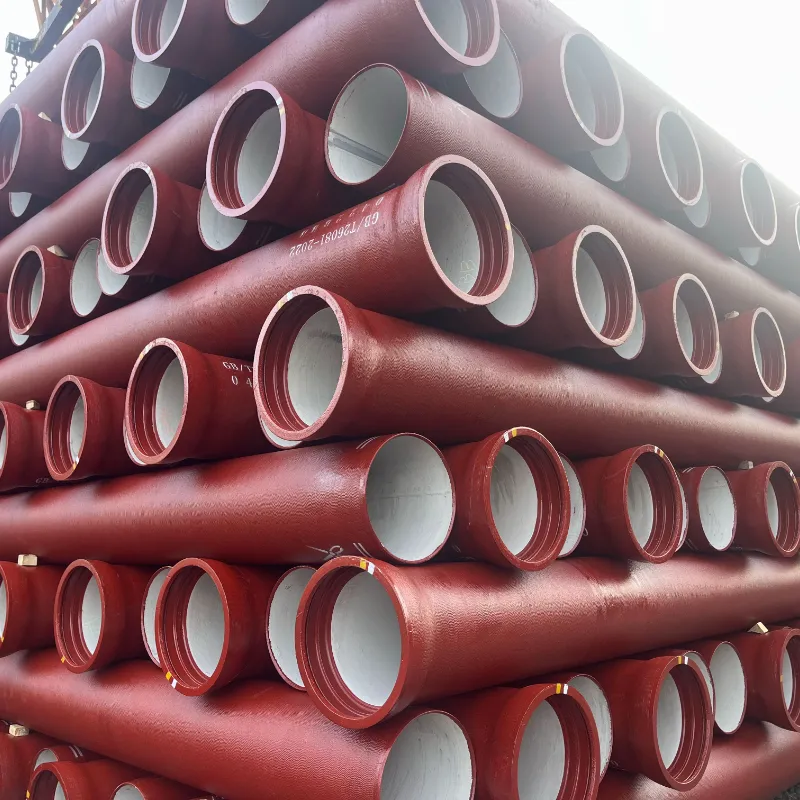
Ductile Iron Pipe is a type of pipe made from ductile cast iron, designed for water transportation and sewage systems. Its tensile strength and resistance to corrosion make it ideal for various applications. This pipe is commonly used in municipal water works due to its ability to withstand high-pressure environments.
Ductile iron pipes are composed mainly of ductile cast iron, which provides added flexibility and strength. They also contain various alloys that enhance their durability against corrosion.
The manufacturing process involves melting iron and adding alloys. After casting, the pipes undergo a series of tests for quality assurance. This includes checking tensile strength and resistance to various conditions.
Ductile iron pipes outperform traditional materials like PVC and concrete. They resist corrosion, can handle higher pressure, and have longer lifespans. This results in lower maintenance and replacement costs.
Ductile iron pipes are widely used in municipal water distribution systems, sewage systems, and fire protection systems. Their strength makes them suitable for various applications.
Installation of ductile iron pipes is straightforward but requires proper techniques to prevent damage. Regular maintenance checks can ensure their performance and safety over time.
Ductile iron pipes are recyclable and have a lower environmental impact compared to other materials. Their longevity also means fewer resources are consumed over time.
To summarize, Ductile Iron Pipe plays a critical role in modern infrastructure. Its composition, manufacturing process, and various applications reveal its importance in effective water management systems. Understanding how it works can lead to better maintenance practices and longer service lives for our pipes.
Previous
None
Next
None


Comments
Please Join Us to post.
0